Updated: July 16, 2026. For venue rules and service information, please follow official announcements.
You do not have to treat Taiwan like an exam. Being mindful of other people’s paths, beliefs, and daily rhythm will bring you naturally in step with local etiquette.
On a first trip to Taiwan, ordering food is often less worrying than the fear of doing something wrong. In reality, few people expect visitors to know every custom by heart. It is more useful to notice how people around you stand and queue, then leave space for people in a hurry, people who need help, or people taking part in a ritual. This is not a mysterious rulebook; it is a practical everyday understanding.
The Tourism Administration describes Taiwan as a society woven from many histories and communities, so habits around places, language, and belief are never exactly the same. Rather than deciding what Taiwanese people are all like, think of courtesy as the ability to observe. If you have just arrived, readA First-Time Taiwan Travel Guideto get your transport and everyday tools ready. If you are preparing for a longer stay, continue withA Newcomer’s Guide to Life in Taiwan.
Think of Courtesy as Making Space
On the MRT, at station escalators, shop counters, or busy night markets, the safest rule is not to block the flow: let people get off first, check the order before you order, and step aside when you stop to look at a map. Taipei Metro provides dark-blue priority seats in every carriage for older passengers, pregnant people, and people with disabilities. In practice, paying attention to whether someone needs a seat matters more than watching the seat color. If you want to get comfortable with transfers and tapping in,Taipei MRT guidewithEasyCard guidecan make your first day less hectic.
Queues reflect the same habit of making room for others. At escalators, drink shops, convenience-store counters, and bus stops, join the end of the line and leave a comfortable gap. If no queue is marked, follow the order in which people arrived. You do not need perfect language: a simple excuse me or thank you goes a long way. Not every taxi driver or shop assistant speaks English, so saving your destination in Chinese, speaking slowly, and confirming the price or payment method in advance usually works better than repeating yourself loudly.
| Scenario | Useful approach | Easy-to-miss detail |
|---|---|---|
| MRT and trains | Let passengers get off first; offer your seat when someone needs it. | Platform and carriage announcements and signs can change with operations, so follow on-site instructions. |
| Shops and night markets | Check the menu, queue, and collection point first; point to an item if you are unsure. | Cash, EasyCard, and mobile payment acceptance differs by shop, so do not assume cards are accepted. |
| On the street and at your accommodation | Keep rubbish with you and dispose of it according to your accommodation or public-place instructions. | Taipei has designated times, locations, and sorting arrangements for rubbish and recycling; other cities may differ. |
| Temples, ceremonies, and Indigenous communities | Read notices, keep your voice down, and ask before photographing people or ceremonies. | Some rituals, objects, or homes have limits on photography, touching, or entry; a tourist photo should never come before respect. |
Rubbish is worth a quick mention. Visitors sometimes think that not finding a street bin means they can leave waste in a corner, but many places in Taiwan arrange collection, sorting, and designated drop-off at different times and locations. Taipei City also explains that recycling is collected on scheduled days. The easiest option is to keep your rubbish with you and deal with it at your accommodation or as signs direct. That is usually easier than losing time hunting for a bin. For services that may help inside a convenience store, seeA Guide to Taiwan Convenience Stores.
At Faith and Community Sites, Ask Before You Photograph
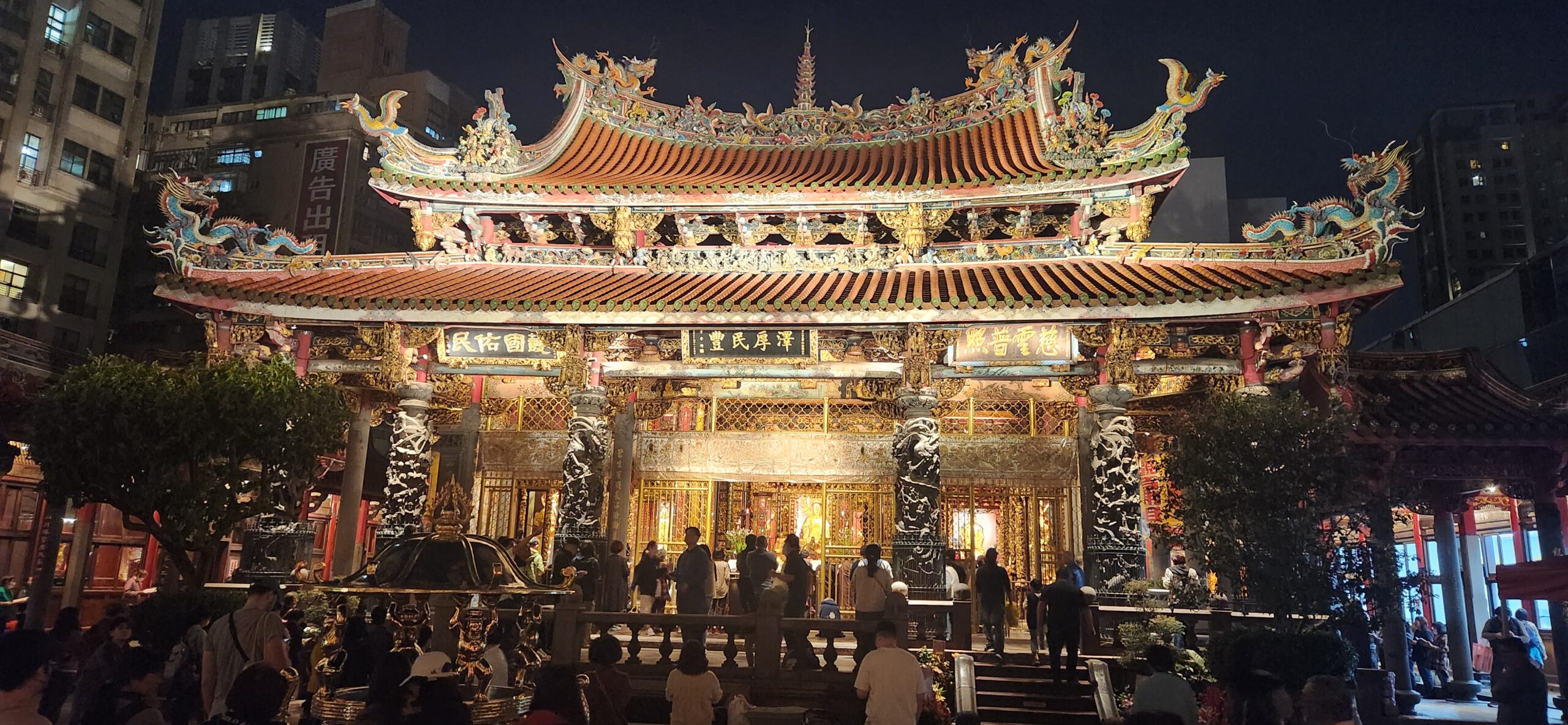
Incense, offering tables, chanting, and crowds in a temple can be visually striking for visitors; for people who are worshipping, they are part of everyday life. Slow down, do not block an entrance or altar, and do not touch offerings or ritual objects. If you want a close-up or a photo of someone praying, first check with a look or a simple “May I take a photo?” The Tourism Administration’s introduction to Taiwan’s religious landscape also notes that many temples hold a long history of faith and community life, not merely a backdrop.
This principle matters even more in Indigenous communities, ceremonies, and cultural events. Official travel guidance advises visitors to respect local traditions before entering a community, ask permission before touching objects or entering buildings, avoid intrusive close-up photography, and follow on-site rules during rituals. These boundaries do not prevent connection; they make respectful exchange possible. If your trip includes mountain areas or Indigenous communities, also readThings to Know About Renting a Scooter in Taiwanbefore you set off, after confirming your transport and safety preparations.
I would reduce these habits to one line: observe first, ask next, then make room. Taiwan’s everyday life does not require foreign visitors to act like locals. Taking one second to understand the setting in front of you usually leads to a more relaxed response. The Tourism Administration’sCultural Landscape Information, Taipei Metro’sAccessibility and Priority Seat Information, Taipei City Government’sRubbish Collection Information, and the Tourism Administration’sIndigenous Travel Remindersare all useful to check before departure or whenever you are unsure on the spot.
Leave a Reply